The short answer.
Published UK pricing puts a professionally designed small business WordPress site at £3,500–£8,000 and a bespoke corporate WordPress site at £15,000–£35,000. These are indicative build costs. When I’m helping someone set a budget, I start by asking what they need the website to do better. If they need a few clear service pages and an enquiry form, a well-chosen theme may do the job. If customers need to find their way through a large catalogue or the team needs to publish new pages every week, that’s where I’d look at a bespoke build.
How much does a WordPress website cost in the UK?
These published UK supplier figures are useful for early budgeting. They reflect different scopes and suppliers, so the ranges overlap. Compare what each quote includes and ask separately about VAT, content, licences and ongoing support.
| Type of website | Published build cost | Example scope |
|---|---|---|
| Basic template-based WordPress site | £500–£2,000 | Existing theme, a few pages and a basic contact form |
| Professionally designed small business site | £3,500–£8,000 | Custom design, a blog and basic SEO setup |
| Bespoke corporate WordPress site | £15,000–£35,000 | Custom page templates and editor blocks, with accessibility and integration work |
| Advanced custom WordPress site | £35,000–£75,000 | Complex workflows, multiple integrations or multilingual content |
| WordPress eCommerce site | From around £5,000 | WooCommerce catalogue, basket, checkout and payment setup |
These are planning figures from ProntX, Intelivita and Parrot Creative, checked in November 2026. They represent published supplier estimates. Tann Westlake quotes each project individually. For budgeting across platforms, see our website pricing guide.
What is a bespoke WordPress website?
A bespoke WordPress website uses WordPress to manage content and gives your team templates and features designed around your organisation. A custom theme can carry your brand through everything from landing pages to enquiry forms. Reusable editing blocks let people publish consistent pages, and custom content types give repeatable material such as projects or resources a structure of its own.
Good website design considers what people need to do first, including on mobile and with assistive technology. Building accessibility, performance and editorial conventions into shared components helps new pages start from the same standard. You can add services or capabilities as the business grows without redesigning every page.
What affects the cost of a bespoke WordPress website?
Website strategy and discovery
Discovery establishes what the website needs to achieve, who uses it and where the current experience falls short. Stakeholder workshops, analytics reviews and content audits take time, but they help decide which user journeys and features merit investment.
Website design and user experience
Design effort follows the number and complexity of distinct layouts and interactions. A resource library with searchable filters needs more design work than a static page. Prototypes let you test journeys before committing to development.
WordPress development and functionality
A custom theme, reusable editor blocks and custom content types each need development and testing. A well-supported plugin may cover a familiar task. More specialised workflows, such as tiered member access, may call for custom code and a plan for maintaining it.
Number of pages and content requirements
Twenty service pages can share a template, but each still needs copy, images, review and entry. Identify who will write, migrate and approve each group of pages. Adding photography, translations or manual migration can materially change the scope.
Third-party integrations
Sending an enquiry to one CRM list is simpler than syncing stock with several systems. Ask what happens if a connection fails, how errors are flagged and who owns fixes. Allow for testing and any third-party subscription or usage charges.
SEO and website migrations
A redesign should account for existing pages that bring in traffic. Allow time to audit URLs, map redirects, carry over useful metadata and test indexing settings. Check forms, analytics and tracking again after launch, particularly if URLs or platforms change.
Accessibility and performance
Accessible forms, keyboard navigation and readable layouts need design and testing. Performance work may include preparing responsive images, managing scripts and checking page speed on mobile. Set expectations for these tasks early so suppliers include them in the scope.
Testing and launch
Budget for testing on representative devices and browsers, with real content and the right editor permissions. Agree who checks enquiries or payments, signs off the staging site and monitors the launch. Editor training and handover also take time.
Bespoke WordPress websites vs template-based websites
| Factor | Template-based | Bespoke |
|---|---|---|
| Initial investment | Usually lower | More design and development time |
| Design flexibility | Follows the theme’s layout options | Layouts and components fit the brief |
| Brand differentiation | Branding applied to familiar patterns | Brand expressed throughout the experience |
| Scalability | Depends on the theme and plugins | Can plan for future content and features |
| Performance | Depends on theme, plugins and configuration | More control over assets and code |
| Functionality | Built-in features and compatible plugins | Custom workflows where justified |
| Maintenance | Relies on theme and plugin updates | Needs ownership of custom code and updates |
| Long-term business value | Good fit for stable, straightforward needs | Can support growing editorial and operational needs |
A well-chosen theme can suit a small team that needs a credible presence quickly. Bespoke is worth considering when the website supports several audiences, has to work with internal systems or needs to be updated frequently by multiple teams.
What are the ongoing costs of a WordPress website?
Separate the build from the cost of running the site. Budget for WordPress hosting, domain renewals and premium plugin licences. Check who owns each account, what renewals cover and whether hosting includes a staging environment, monitoring or backups.
Set aside money for tested WordPress, theme and plugin updates, security monitoring, backups and restores, and technical fixes. Agree what your website maintenance and support plan covers, including response times. Budget separately for ongoing development, SEO and content improvements. Compare three years of build, licences and support costs to see what each proposal commits you to.
Is a bespoke WordPress website worth the investment?
It can be if you can name the problems the extra work solves. Clearer journeys and enquiry forms can make it easier for people to act. Purpose-built pages can strengthen brand positioning, and a more flexible editing experience gives your team more control as services evolve. Decide what to measure before launch, such as enquiry quality or the time it takes to publish a new service page.
How to budget for your next WordPress website
My advice is to start with a short brief. Tell us who the site is for, what they should be able to do and what a good outcome would look like for your business. List essential functionality, what can come later, the content you need to create or migrate and who will approve it. Name the systems you need to connect and flag anything the agency should investigate.
Share your current URL, target launch date, indicative budget and expectations for support. If you’re comparing quotes, I’d ask each agency to spell out what they’ve assumed, what’s included and which charges recur. It’s worth asking who will write and upload the content. That one line in a proposal can mean very different things for your team. If some requirements are uncertain, a discovery phase can test feasibility before you commit to the full build.
Working with a WordPress development agency
An agency can coordinate strategy, design, development and launch while your team supplies sector knowledge and makes key decisions. At Tann Westlake, we provide bespoke WordPress development from our West Sussex studio for organisations across the UK.
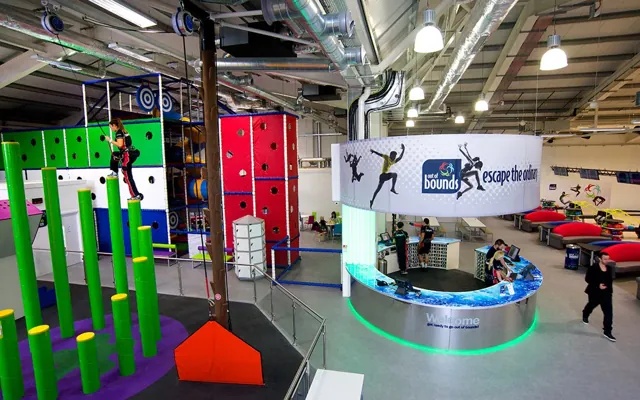
For Tee’d Up, we built a WordPress website that helps visitors understand the indoor golf experience before they visit. The Out of Bounds project had a different challenge: presenting a wide range of activities clearly enough for people to plan a visit. Both projects include ongoing support.
Frequently asked questions
How much does a bespoke WordPress website cost in the UK?
Published UK benchmarks put standard mid-market bespoke WordPress builds at £15,000–£35,000, with smaller custom-theme projects available for less. Complex projects with multiple integrations can cost £35,000–£75,000 or more. Get a scoped quote that specifies content, migration, testing, VAT and ongoing support.
Is WordPress free to use?
Yes. The self-hosted WordPress software is open source and has no licence fee. Running a business website still costs money. You may pay for hosting, a domain, premium themes or plugins, and the time needed to design, build, secure and maintain the site.
Why do WordPress development costs vary so much?
Quotes often cover different work. One might include styling an existing theme, while another covers discovery, unique layouts, content migration and integration testing. Compare the number of templates, what editors can do, the testing included and who will look after the website once it is live.
How long does it take to build a bespoke WordPress website?
A focused marketing site can take around 12–16 weeks. A larger organisational site may take four to six months, depending on content readiness, integrations, feedback and testing. Our guide to website project timescales explains what affects the schedule and when your team will need to be involved.
Can an existing WordPress website be redesigned?
Yes. An audit can show which content, URLs and functionality are worth keeping. You can often build a new theme on a staging copy, then migrate or update content in stages. Check plugin compatibility, agree redirect rules for changed URLs and test important journeys before launch.
Are bespoke WordPress websites good for SEO?
They can be. A custom build gives you control over navigation, internal links, page templates and performance. Those choices can support SEO when paired with useful content, sound migration planning and ongoing measurement. Ask which technical SEO tasks are included and who will manage the site after launch.
How much does WordPress website maintenance cost?
Published UK examples range from around £50 to £250 a month, depending on the scope. Check what that buys in practice: tested updates, backup frequency, recovery help, response times and developer hours. A busy WooCommerce store or a heavily integrated site may need more cover. See the UK maintenance benchmark.
Can I update a bespoke WordPress website myself?
Yes, if the editing experience is planned around what your team needs to change. Agree which content editors can update, which layouts they can build from reusable blocks and what needs developer support. Ask to try the editor with your own content before sign-off.
Do I need a local WordPress development agency?
In-person workshops can help when several people need to agree a brief. A remote team can deliver the same stages with clear milestones, shared feedback and a reliable point of contact. Look for relevant work, a practical handover plan and support that fits how your team works.
Let’s discuss your WordPress website project
Tell us what your website needs to do, what is holding you back and when you want to launch. We can help you define the scope and understand what to budget for.
Discuss your WordPress project